TMD, Jaw Tension & Myofunctional Therapy
Learn how jaw tension, facial muscle patterns, oral posture, and other functional habits may contribute to discomfort around the temporomandibular joint.

The temporomandibular joint (TMJ) connects the jaw to the skull and allows for the movement needed to speak, chew, and swallow. When this joint and the muscles surrounding it are not functioning comfortably, it may be referred to as temporomandibular disorder, or TMD.
How Oral Muscle Patterns May Contribute to Jaw Tension
The muscles of the face, tongue, and jaw work together throughout the day. When resting oral posture, swallowing patterns, or breathing habits are not functioning efficiently, it can place additional strain on the jaw and surrounding muscles.
Patterns such as clenching, low tongue posture, or mouth breathing may contribute to ongoing tension, discomfort, or fatigue in the facial and jaw muscles.
How Myofunctional Therapy May Help
Myofunctional therapy works to retrain the muscles of the mouth and face to function more efficiently. By addressing patterns involving tongue posture, swallowing, and breathing, therapy may help reduce the muscle strain that contributes to jaw tension.
Additionally, Carrie offers TMJ Release Massage Therapy as hands-on support for patients experiencing tightness or discomfort in the jaw and surrounding facial muscles. This may complement myofunctional therapy for some patients.
A Coordinated Approach
Because TMD can have multiple contributing factors, a coordinated approach is often most effective. Carrie works collaboratively with dentists, orthodontists, and other healthcare providers when coordinated care may benefit the patient.
A comprehensive evaluation can help determine whether myofunctional patterns are contributing to jaw discomfort and whether therapy may be appropriate.
Have Questions About This Topic?
Carrie offers complimentary phone consultations to help you determine whether myofunctional therapy may be appropriate for you or your child.
Contact UsRelated Resources

Tongue Tie & Myofunctional Therapy
Learn how restricted tongue movement may affect oral function, swallowing, breathing, and tongue posture, and how myofunctional therapy can support care before and after a frenectomy when appropriate.
Read More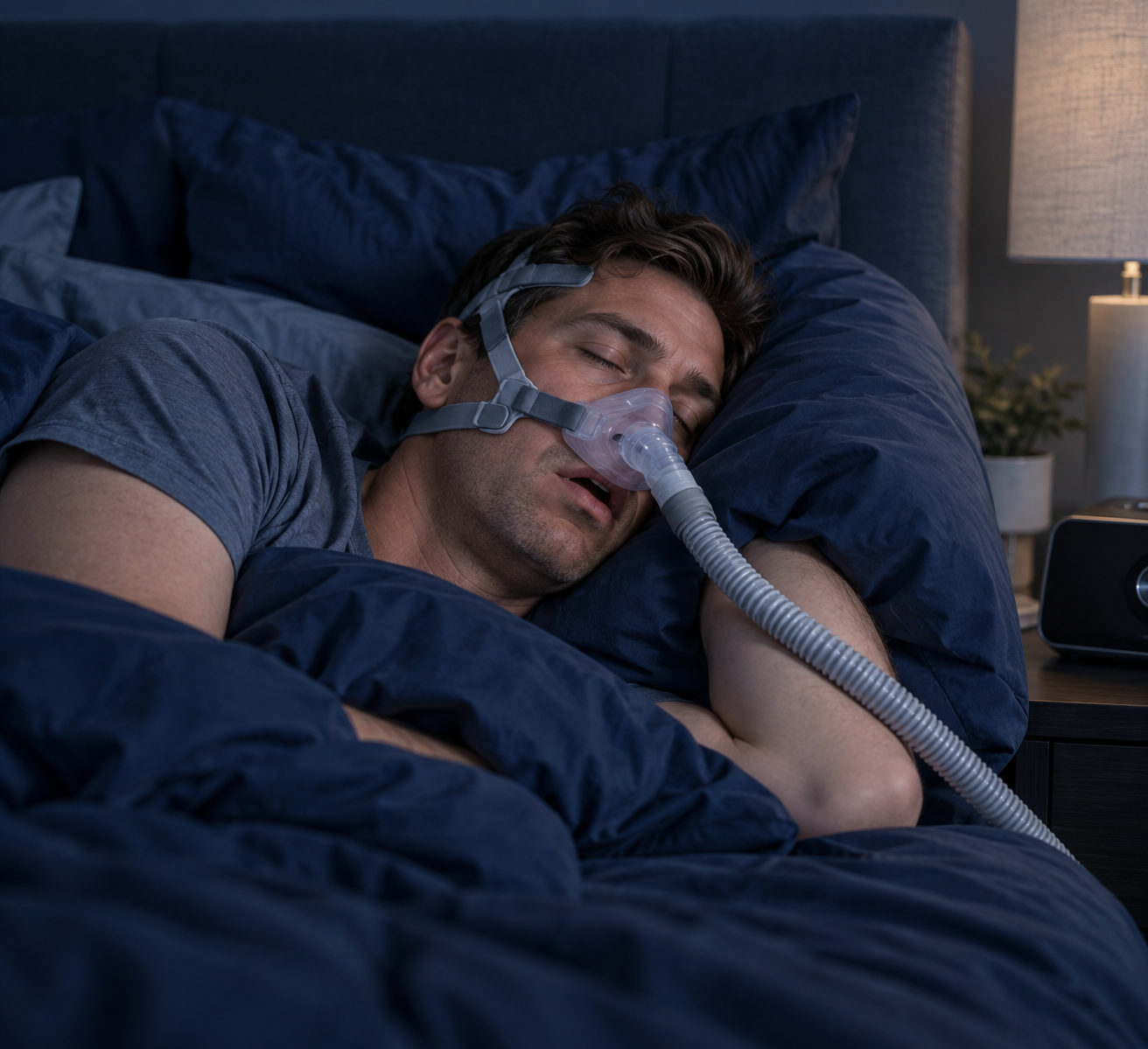
Sleep Apnea, Breathing & Myofunctional Therapy
Explore the relationship between oral posture, breathing patterns, airway function, sleep-related concerns, and the role myofunctional therapy may have as part of coordinated care.
Read More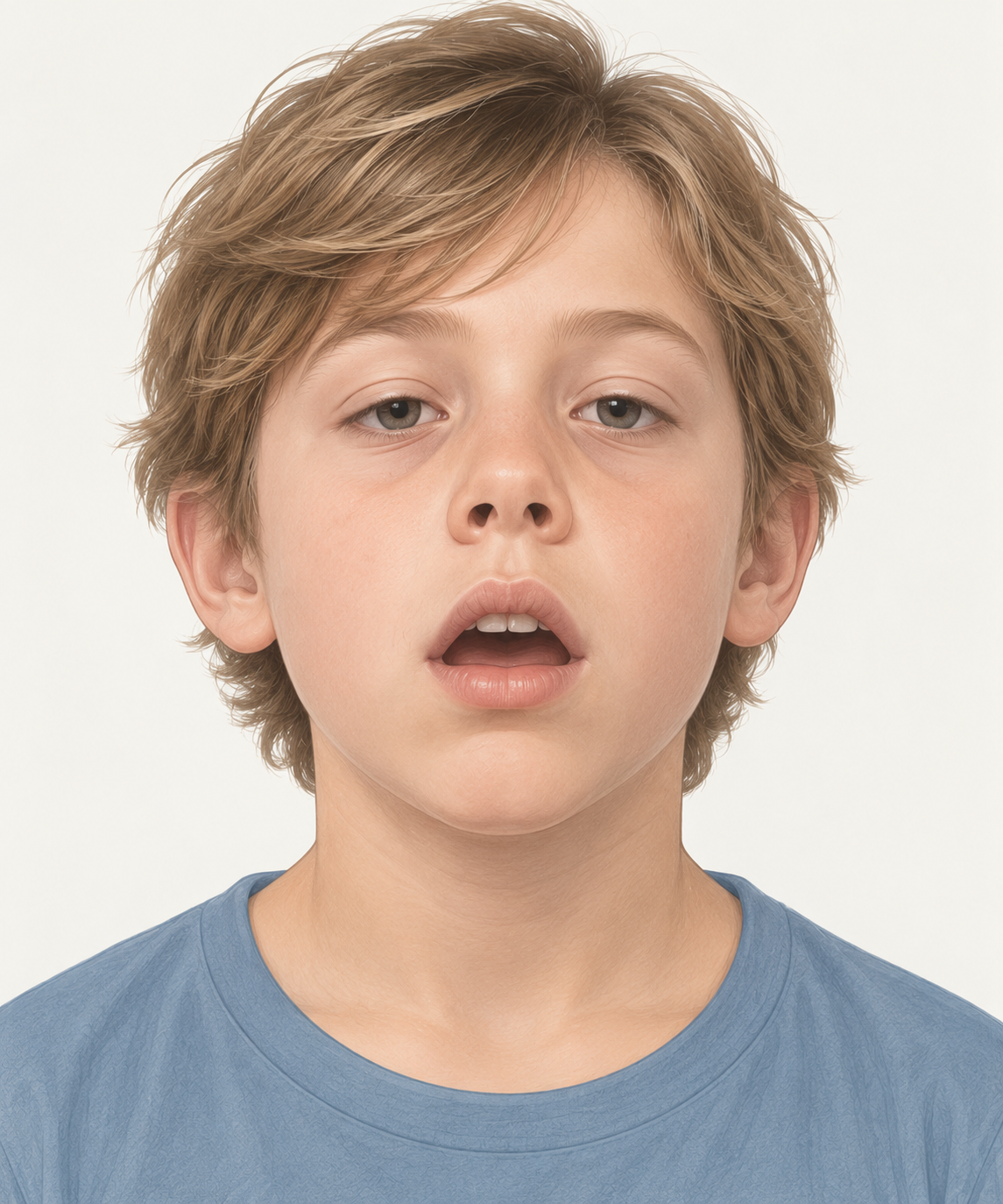
Mouth Breathing & Myofunctional Therapy
Learn why nasal breathing and proper resting oral posture matter and how persistent mouth-breathing patterns may affect sleep, oral health, and everyday function.
Read More