Sleep Apnea, Breathing & Myofunctional Therapy
Explore the relationship between oral posture, breathing patterns, airway function, sleep-related concerns, and the role myofunctional therapy may have as part of coordinated care.
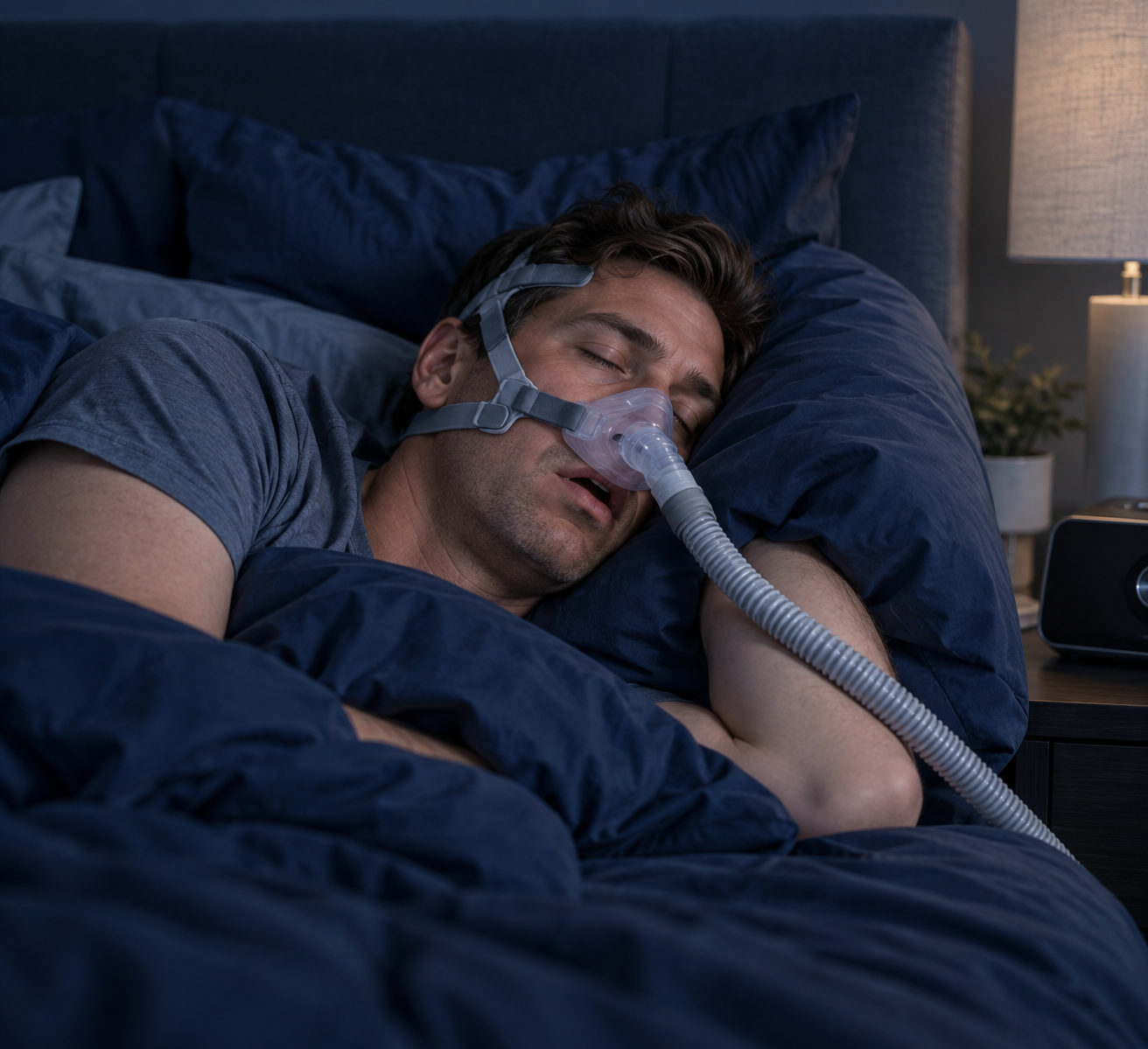
Sleep-disordered breathing encompasses a range of concerns that affect breathing during sleep, from habitual snoring to more significant conditions such as obstructive sleep apnea. The muscles and structures of the mouth, tongue, and airway play an important role in how we breathe throughout the night.
The Connection Between Oral Posture and Sleep
When the tongue rests low in the mouth or the lips remain open during sleep, the airway may be more vulnerable to narrowing or obstruction. Over time, these patterns may contribute to snoring, restless sleep, daytime fatigue, or other sleep-related concerns.
Myofunctional therapy focuses on strengthening and retraining the muscles that support the airway, encouraging healthier tongue posture, lip seal, and nasal breathing patterns that may support better sleep quality.
Myofunctional Therapy as Part of Coordinated Care
Myofunctional therapy is not a standalone treatment for sleep apnea. However, it may serve as a supportive part of a coordinated care plan that includes a physician, ENT, sleep specialist, dentist, or orthodontist.
For patients using oral appliance therapy or recovering from airway-related procedures, myofunctional exercises may help reinforce healthier muscle patterns and support the overall treatment plan.
Recognizing Potential Signs
Common signs that may be connected to sleep-disordered breathing include chronic snoring, mouth breathing at night, waking up tired despite adequate sleep, restless sleep, and daytime fatigue. Because these symptoms can have multiple causes, an evaluation by a qualified healthcare provider is important.
If myofunctional patterns are contributing to the concern, therapy may help address the underlying muscle function.
Have Questions About This Topic?
Carrie offers complimentary phone consultations to help you determine whether myofunctional therapy may be appropriate for you or your child.
Contact UsRelated Resources

Tongue Tie & Myofunctional Therapy
Learn how restricted tongue movement may affect oral function, swallowing, breathing, and tongue posture, and how myofunctional therapy can support care before and after a frenectomy when appropriate.
Read More
TMD, Jaw Tension & Myofunctional Therapy
Learn how jaw tension, facial muscle patterns, oral posture, and other functional habits may contribute to discomfort around the temporomandibular joint.
Read More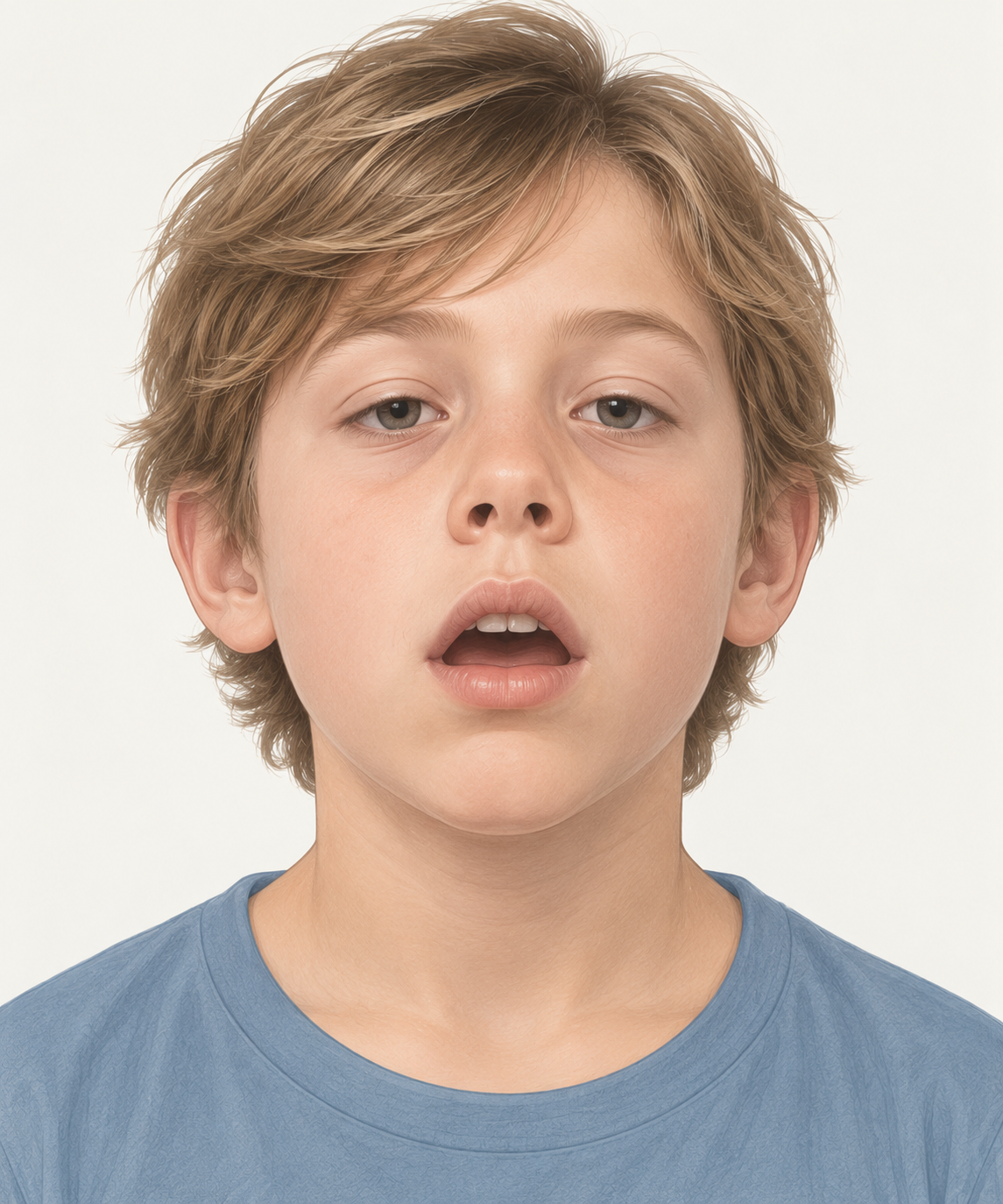
Mouth Breathing & Myofunctional Therapy
Learn why nasal breathing and proper resting oral posture matter and how persistent mouth-breathing patterns may affect sleep, oral health, and everyday function.
Read More